Natural stone tiles cost more than porcelain, sometimes significantly more. Before you decide whether that premium is worth it for your project, it’s worth understanding exactly what you’re paying for.
What you’re actually buying
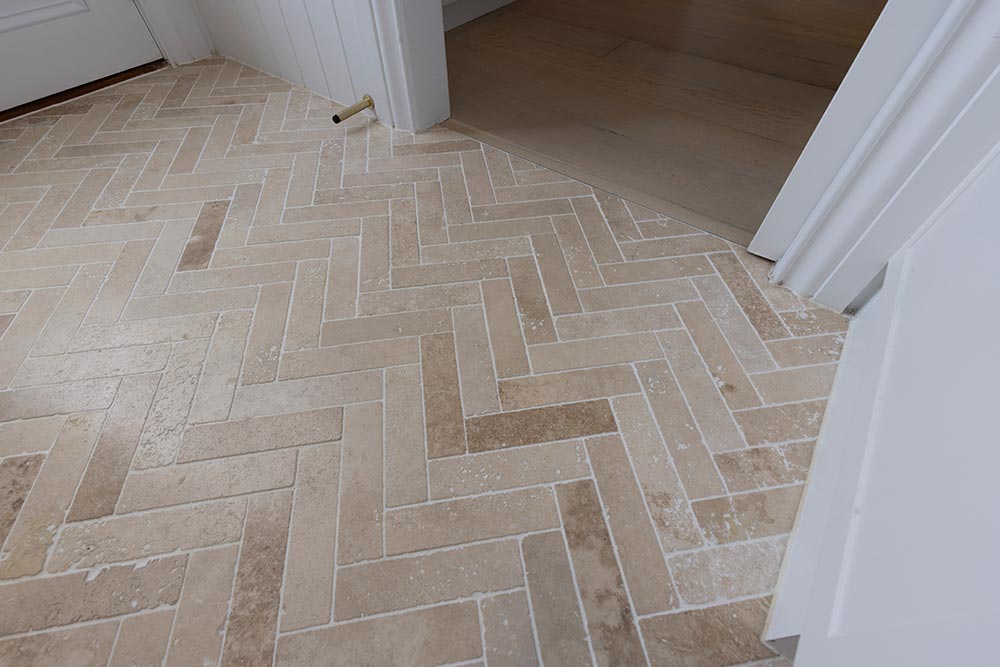
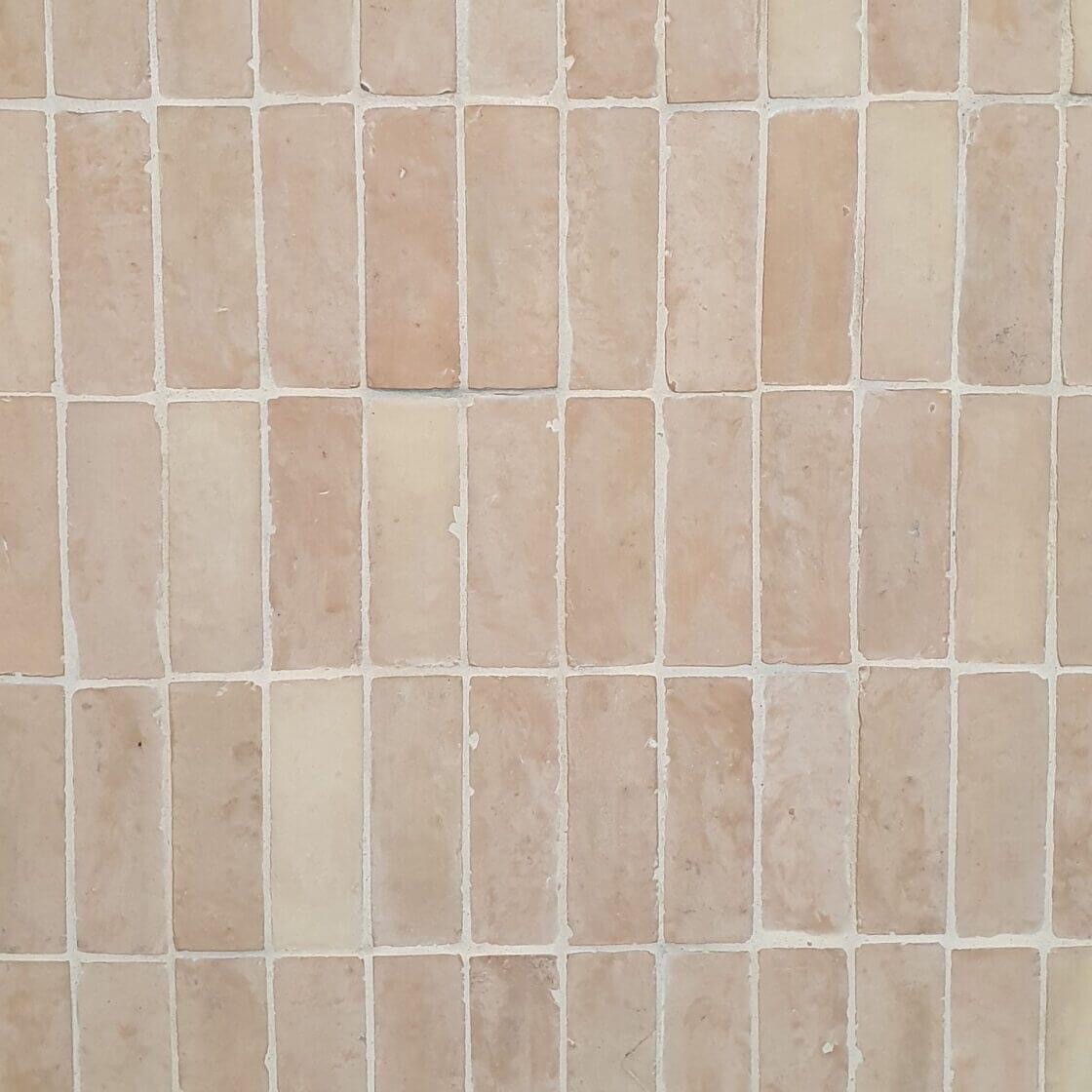
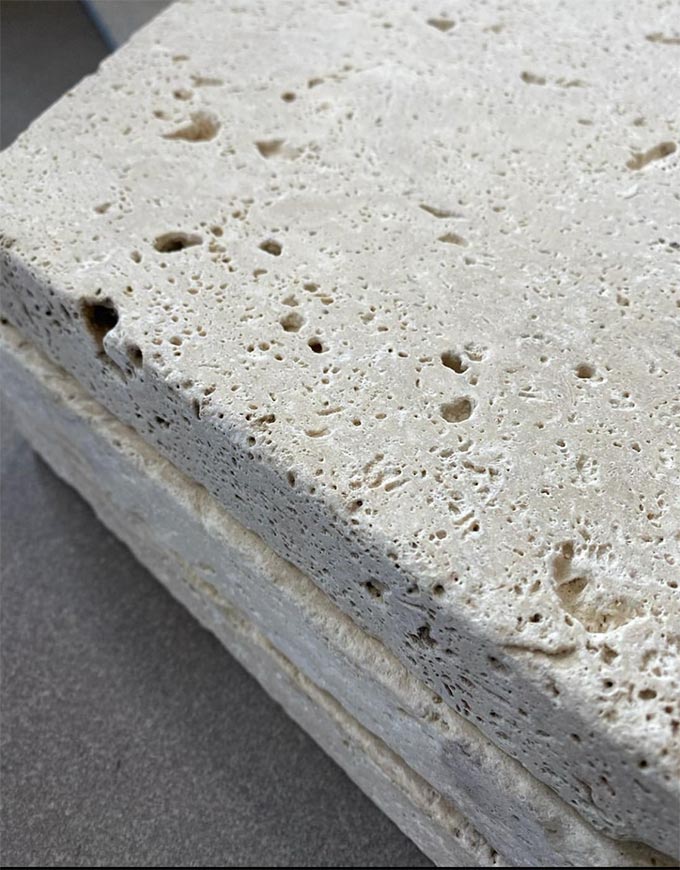
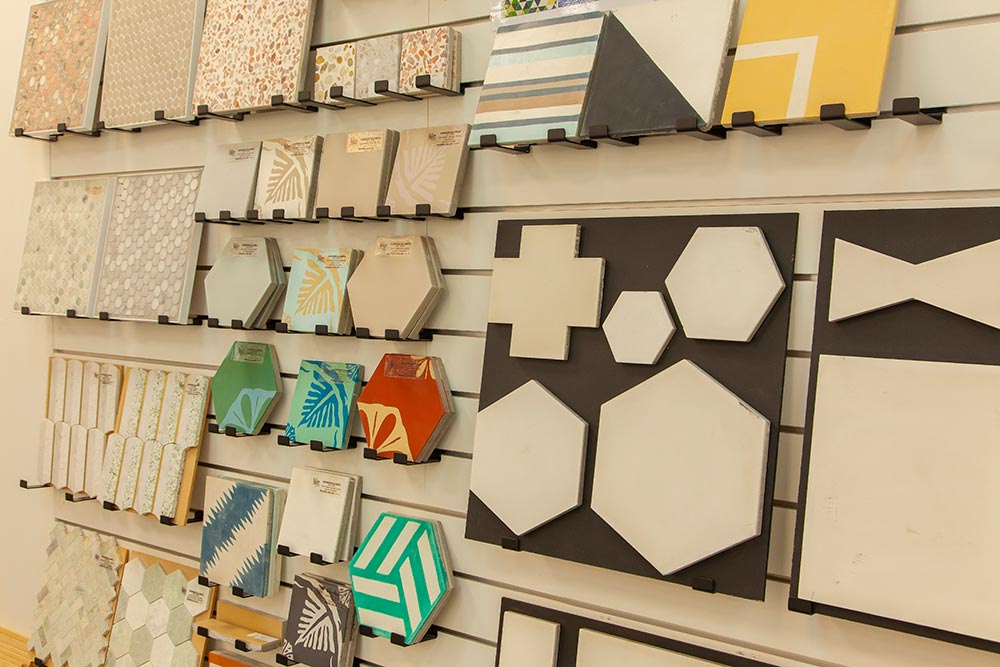
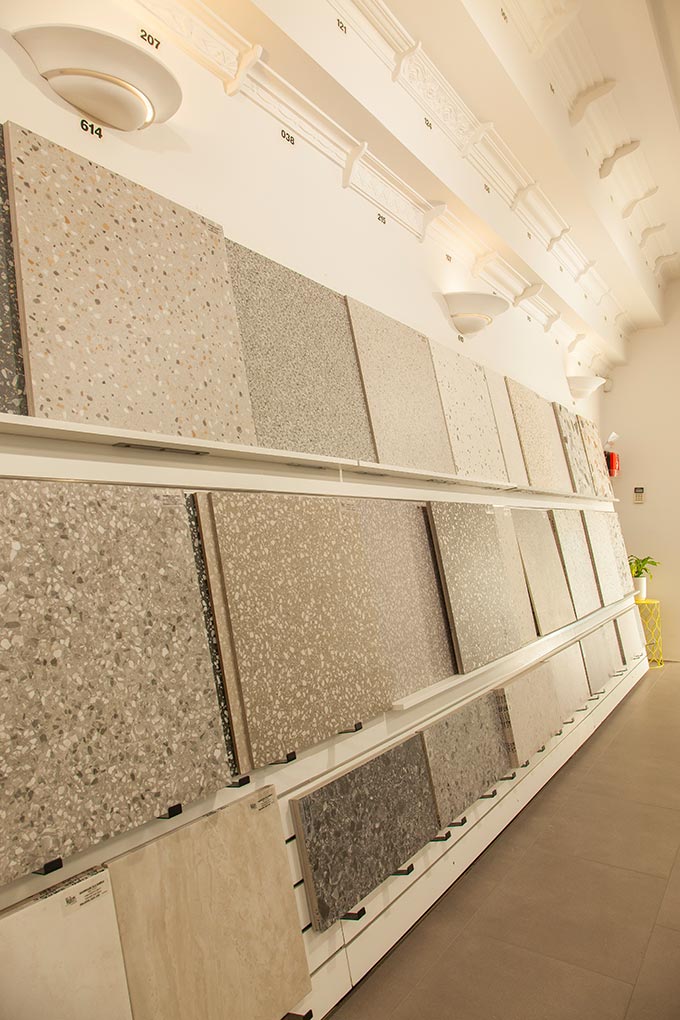
With natural stone tiles, every stone tile is genuinely unique, no two pieces are identical, and the veining, colour variation, and texture come from the stone itself, not a print pattern. That’s the appeal, and it’s also the catch: variation that reads as “natural and beautiful” in a showroom sample needs to be managed carefully across a full floor or wall, or it can look inconsistent rather than intentional.
The maintenance conversation nobody has upfront
Natural stone is porous and needs sealing, typically at installation and then periodically afterward, depending on the stone type and how the space is used. This isn’t a deal-breaker, but it is an ongoing cost and task that porcelain doesn’t require. If you’re not prepared to maintain it, a stone-look porcelain will serve you better long-term, even if it doesn’t have quite the same depth.
Where Natural Stone earns its keep
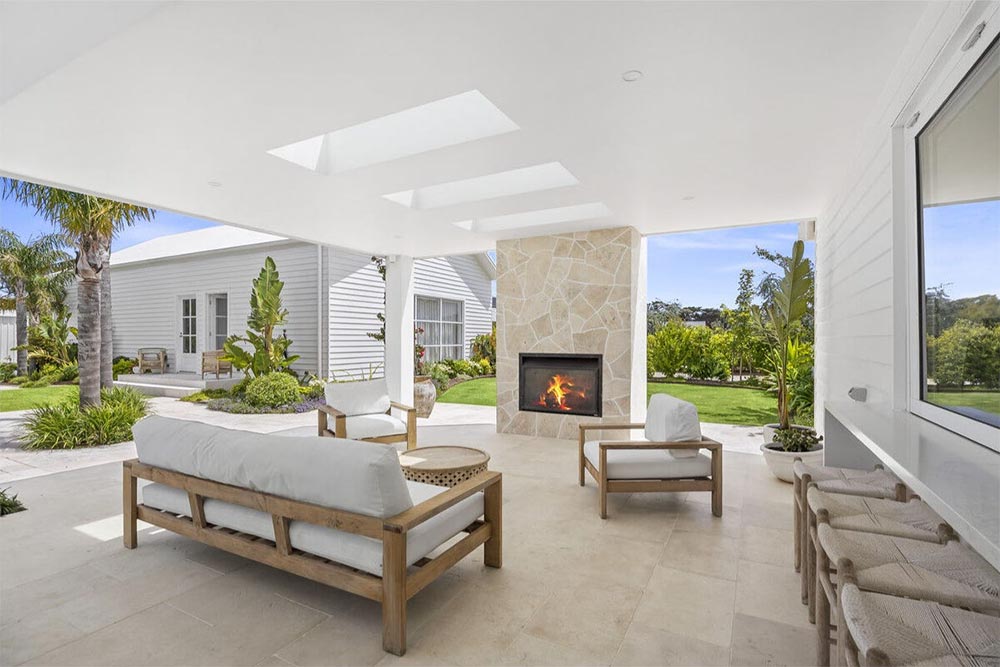
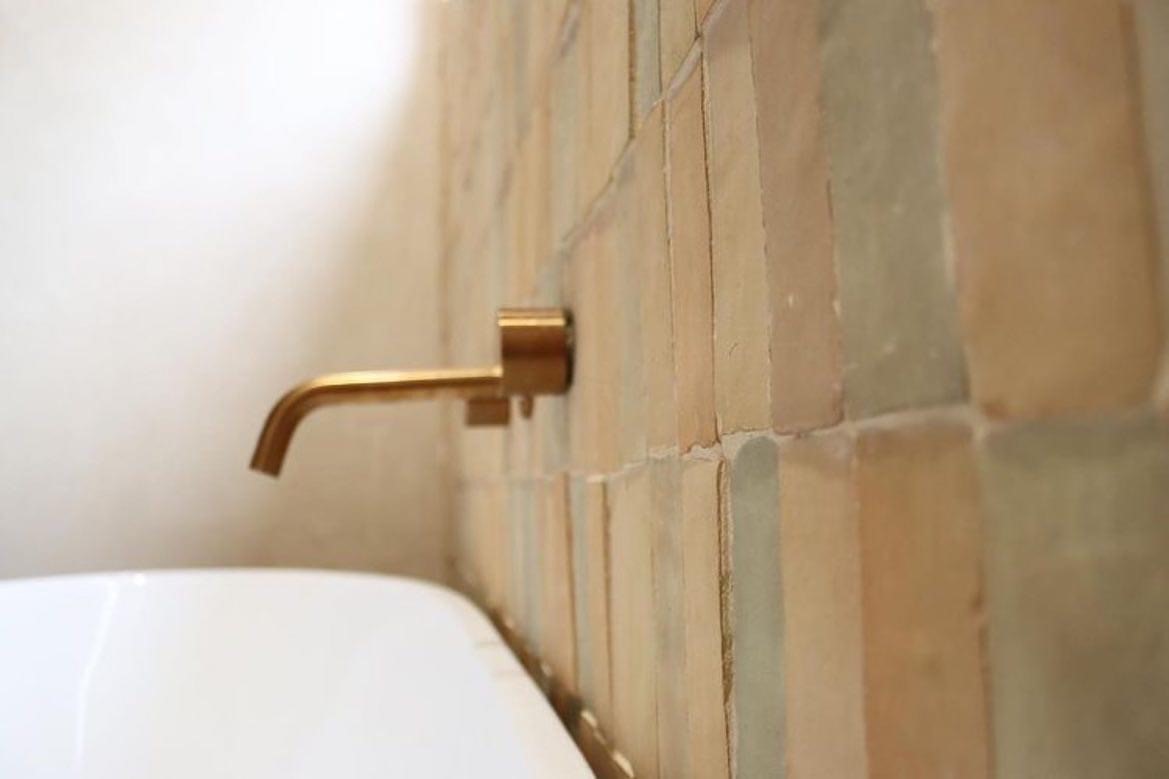
- Feature areas, a stone feature wall or splashback where the variation becomes a design statement, not a maintenance burden
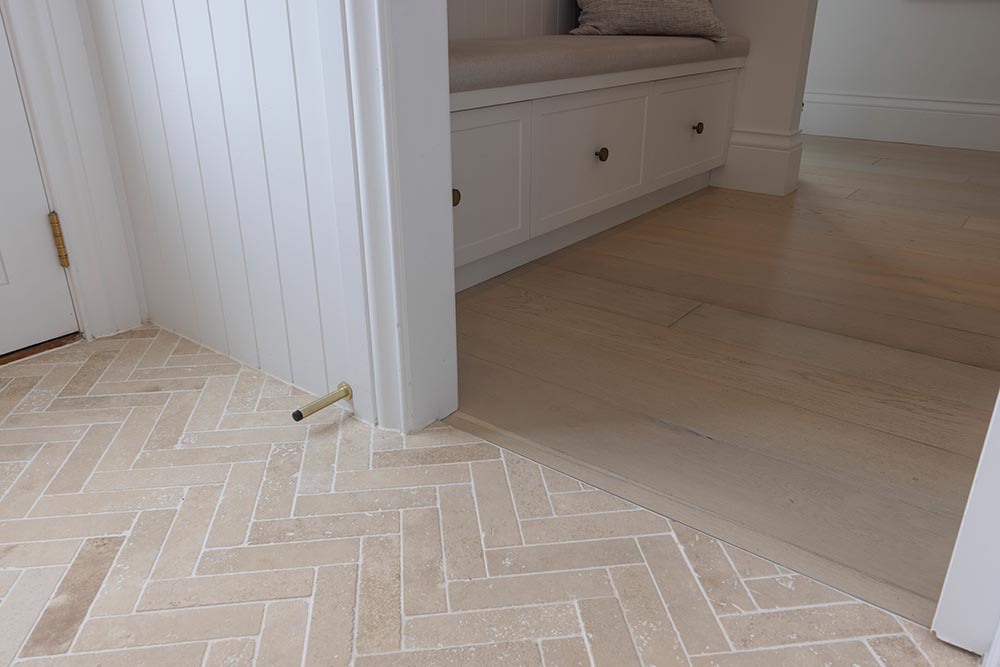
- Low-traffic, low-moisture zones, entries, study nooks, areas that won’t see daily water exposure
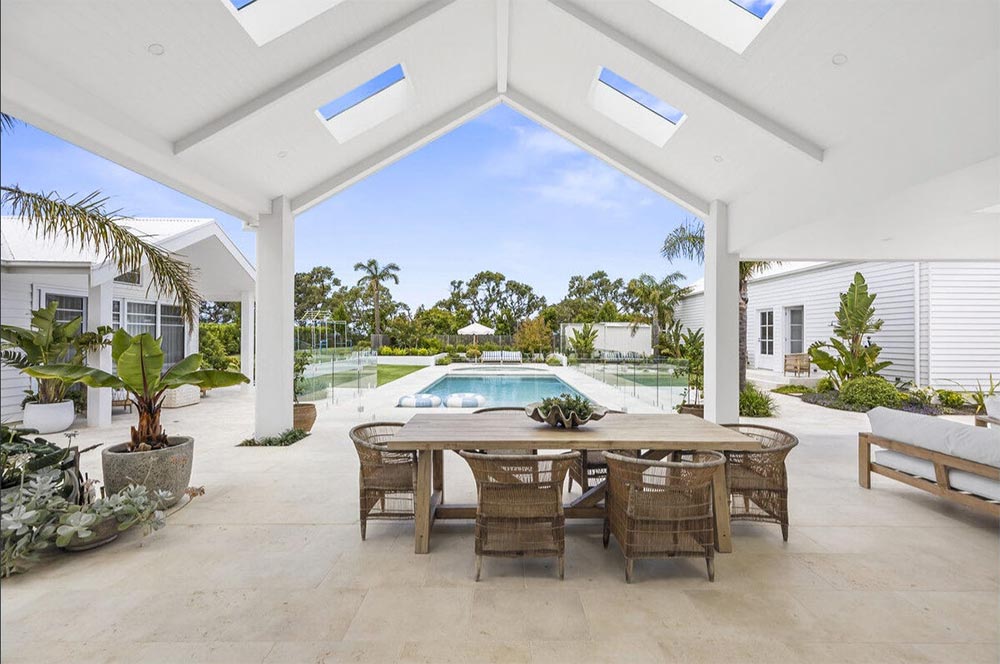
- Projects where resale or prestige matters, stone reads as a premium material in a way that’s hard for any printed surface to fully replicate
Where it’s probably not worth it
High-traffic family bathrooms, busy kitchens, and anywhere you want an install-it-and-forget-it surface are usually better served by porcelain, including the better stone-look porcelains now on the market, which have closed much of the visual gap.